UGA Research Advances Understanding of PFAS in Aquatic Ecosystems
By: Tyjaha Steele
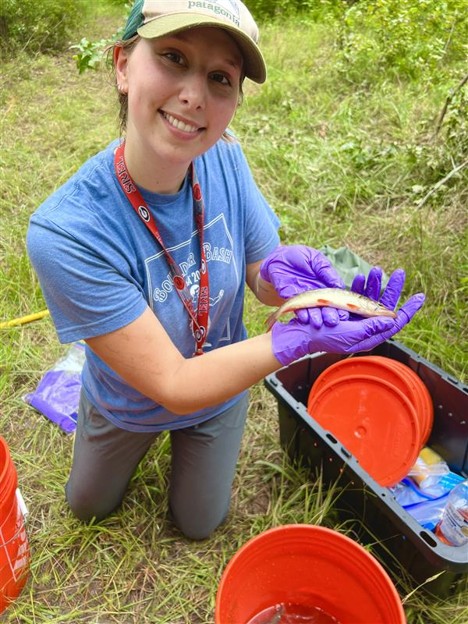
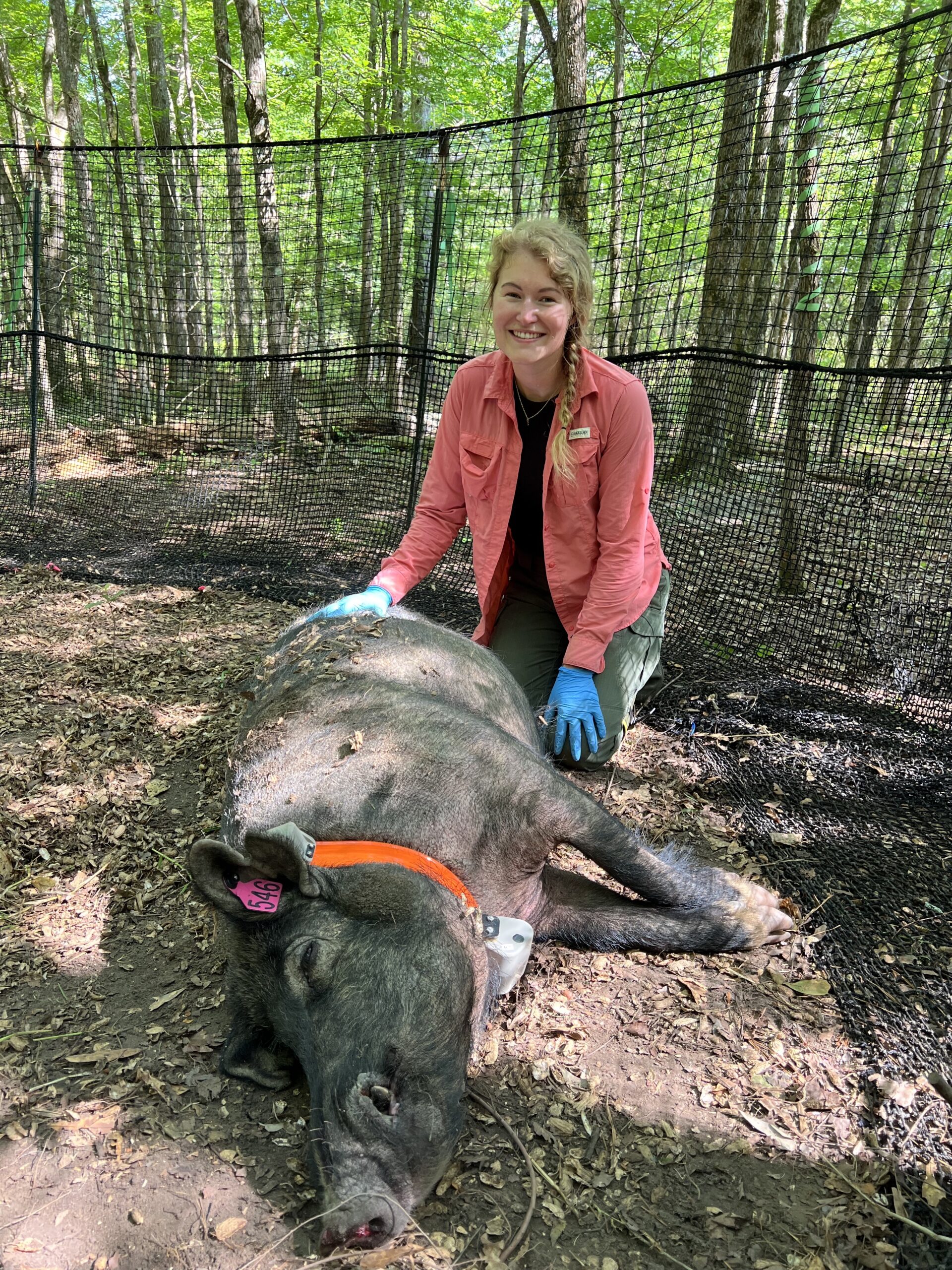
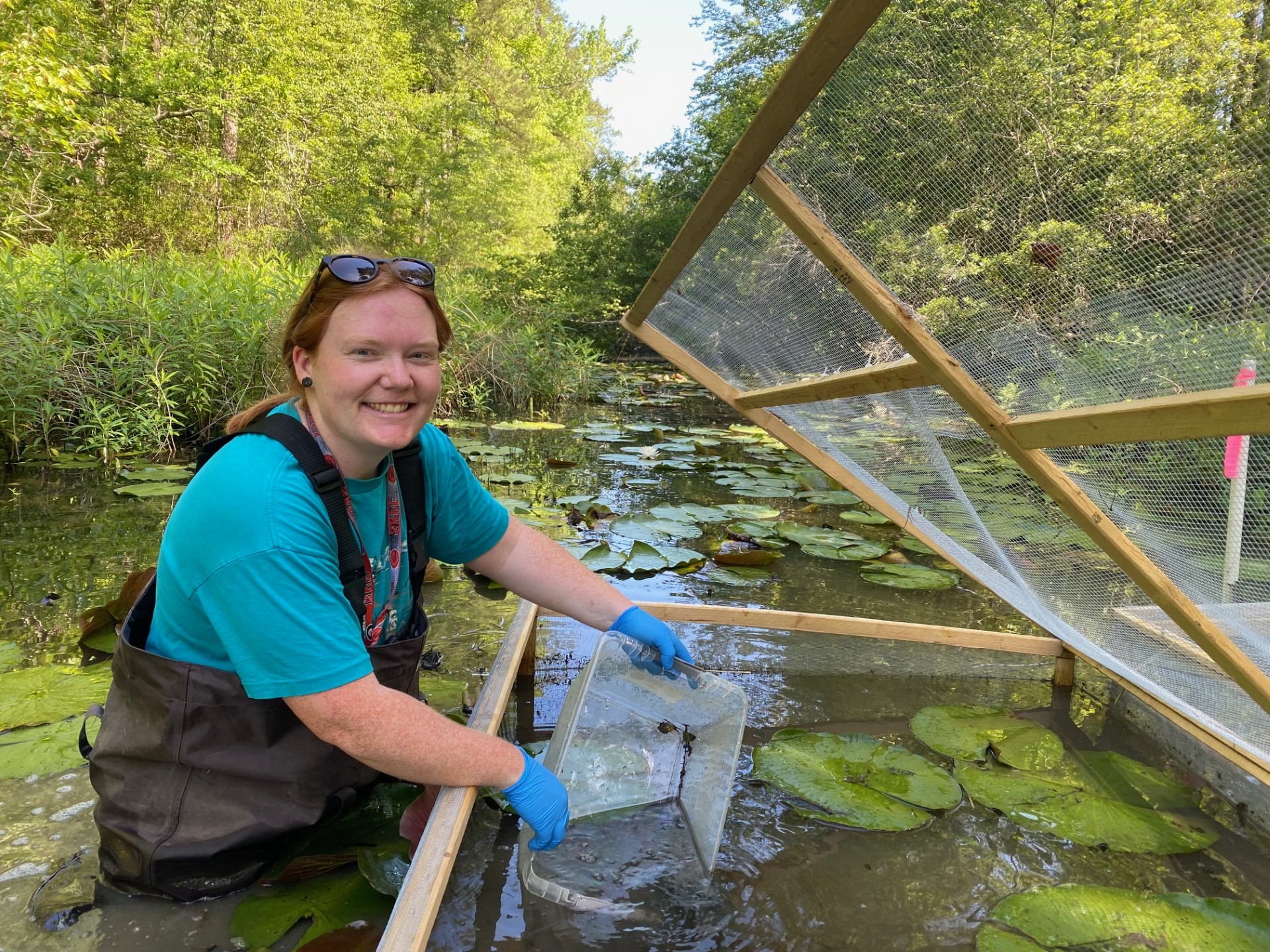
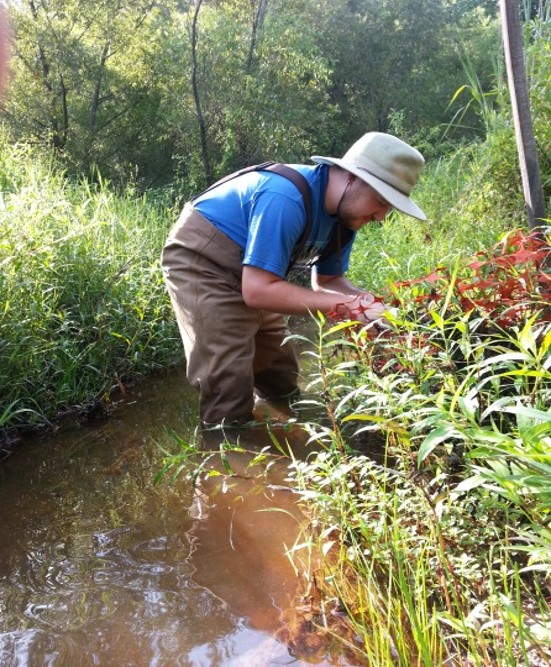
Elise Webb is seen smiling alongside a redfin pickerel (Esox americanus) specimen for trophic transfer study at Beaver Dam Creek. (Photo courtesy of Elise Webb)
The Savannah River Ecology Laboratory (SREL) works closely with the U.S. Department of Energy as an independent evaluator of the ecological effects of DOE’s missions at the Savannah River Site (SRS). That role includes building a better understanding of the site’s ecosystems, providing the scientific information needed to track environmental conditions over time, and investigating emerging environmental questions.
Researchers from the University of Georgia’s Savannah River Ecology Laboratory conducted the first comprehensive assessment of per- and polyfluoroalkyl substances (PFAS) across aquatic ecosystems at the SRS. The study was led by Elise Webb, who conducted the research as a master’s student at SREL, alongside Xiaoyu Xu, associate research scientist at SREL, and Benjamin B. Parrott, associate professor at SREL and the University of Georgia Odum School of Ecology. The team examined PFAS in surface water, sediment, and aquatic wildlife to better understand how these compounds move through freshwater ecosystems and establish the first site-wide baseline for the SRS.
Per- and polyfluoroalkyl substances, commonly known as PFAS, are a large family of manufactured chemicals that have been used in industrial applications, including firefighting foams, for decades. Their persistence in the environment has made them an increasing focus of scientific research, particularly as researchers work to better understand their presence and movement in natural ecosystems. However, before this study, relatively little was known about their distribution across the SRS or how they moved through its aquatic ecosystems.
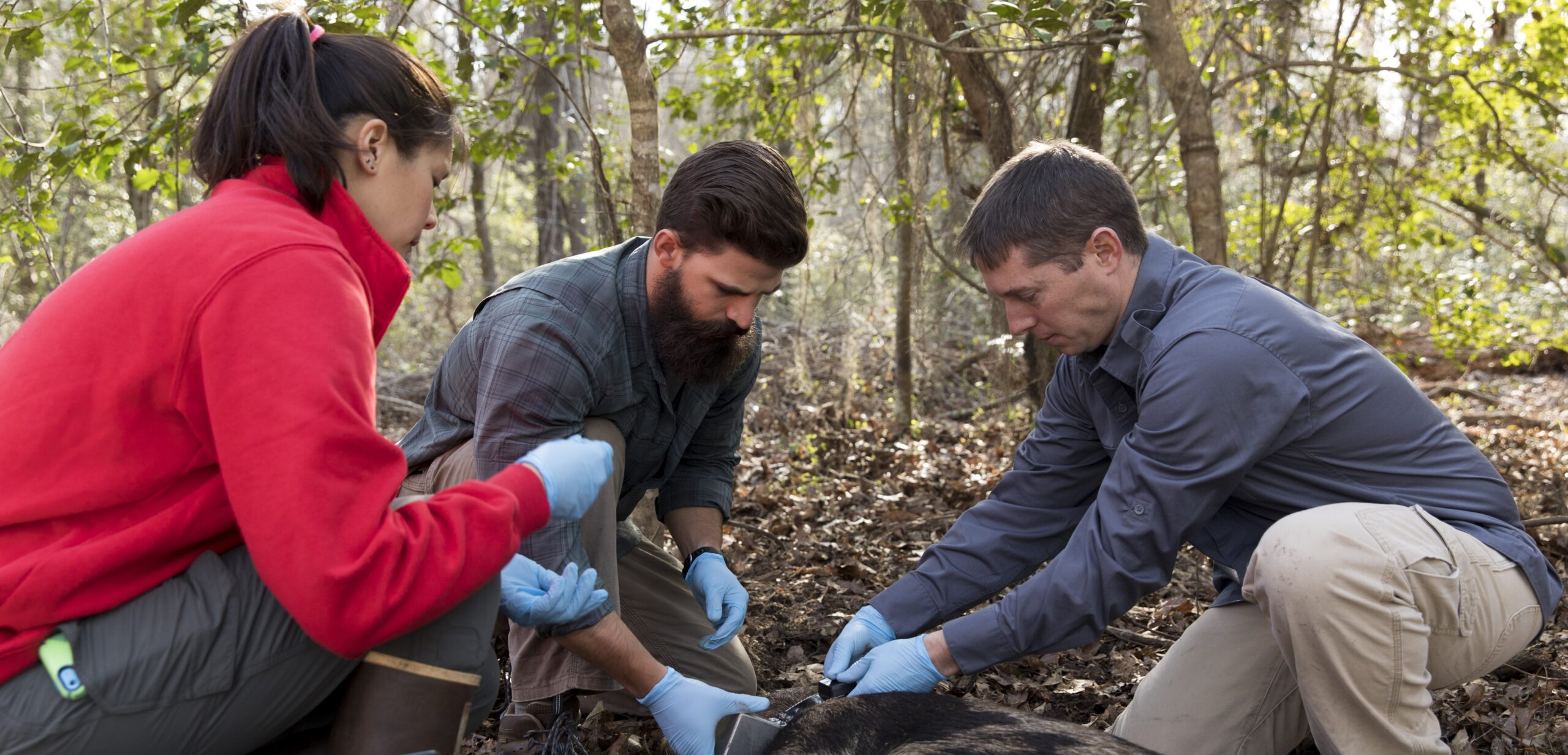
“Rather than focusing on a single location or environmental medium, we collected water, sediment, and fish samples from more than 30 sites across multiple watersheds. That allowed us to evaluate PFAS in both the environment and aquatic organisms, providing a more complete picture of their distribution, bioavailability, and potential for bioaccumulation,” states Webb. “By sampling across the landscape, we could also examine how watershed characteristics, such as land development, metal co-contamination, and sediment composition, influenced PFAS concentrations. This allowed us to establish the first site-wide baseline for PFAS and identify potential sources of contamination and the environmental factors that affect PFAS transport and accumulation.”
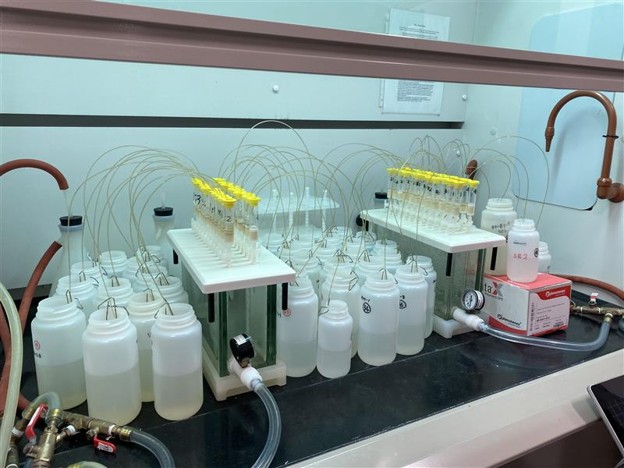
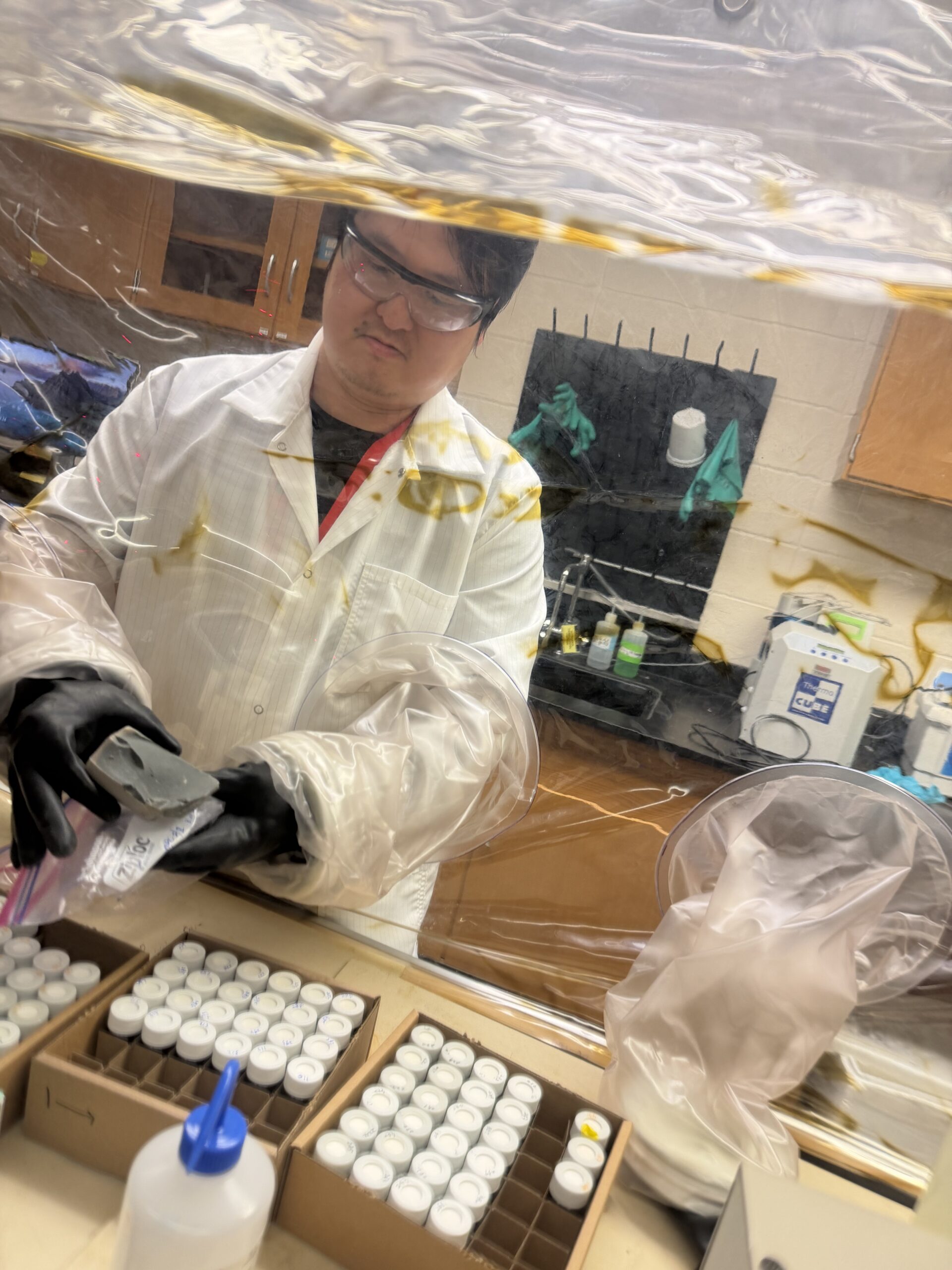
See are PFAS extractions of water samples at the University of Florida with Dr. John Bowden. (Photo courtesy of Elise Webb)
Researchers collected water, sediment, and eastern mosquitofish from 30 locations across the site. The sampling locations spanned multiple watersheds, allowing the team to compare streams with different surrounding landscapes and environmental conditions. They also evaluated watershed characteristics, measured metals and metalloids, and analyzed a freshwater food web.
PFAS was detected throughout the SRS, although concentrations varied among watersheds and sample types. Those differences showed that PFAS was not evenly distributed across the site, with certain compounds occurring more frequently or at higher concentrations in some watersheds than others.
The surrounding landscape offered additional clues about those patterns. Watersheds with more developed land generally had higher PFAS concentrations in surface water, while several long-chain PFAS compounds were positively associated with metals measured in sediments.
At Beaver Dam Creek, eastern mosquitofish contained the highest PFAS concentrations measured during the study despite relatively modest concentrations in sediment. This finding demonstrates that biological samples can reveal patterns that water and sediment alone may miss.
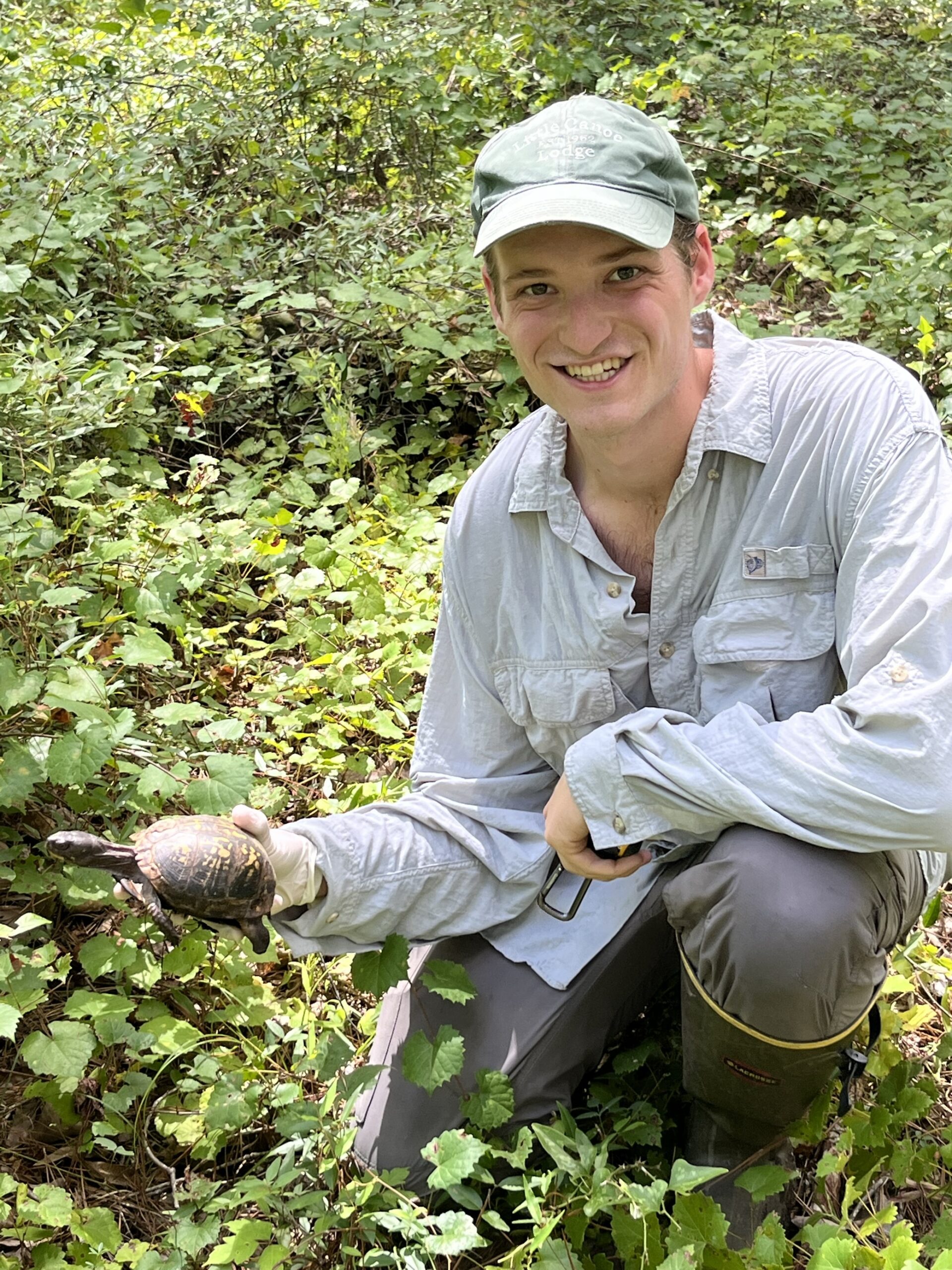
Samples collected from algae, crayfish, fish, and watersnakes in Beaver Dam Creek allowed the researchers to examine how PFAS moves through a freshwater food web. Several PFAS compounds became more concentrated in organisms occupying higher trophic levels, providing evidence that those compounds have the potential to biomagnify in freshwater ecosystems.
“Our findings that PFAS concentrations are higher in predator species when compared to their prey is concerning as it means that as these contaminants move through the food web they are more likely to reach levels that end up impacting the health of certain species,” explains Parrott. “We ultimately need to better understand the health impacts of PFAS exposure in a variety of species to really understand the potential risk these contaminants convey in our ecosystems.”
The study establishes the first comprehensive picture of PFAS across aquatic ecosystems at the SRS, documenting their distribution across the site, variation among watersheds, and movement through freshwater food webs. It also establishes the first comprehensive site-wide baseline, creating a benchmark for future environmental monitoring.
The full study, PFAS on the U.S. Department of Energy’s Savannah River Site: Spatial Distribution, Bioavailability, Co-occurrence with Metals, and Potential Biomagnification, was published in Environmental Toxicology and Chemistry and authored by Elise M. Webb, Alina Timshina, Dylan Ricke, Dean E. Fletcher, John A. Bowden, Xiaoyu Xu, and Benjamin B. Parrott.