Scenes from the Savannah River Site
Scenes from the Savannah River Site

The University of Georgia
Scenes from the Savannah River Site
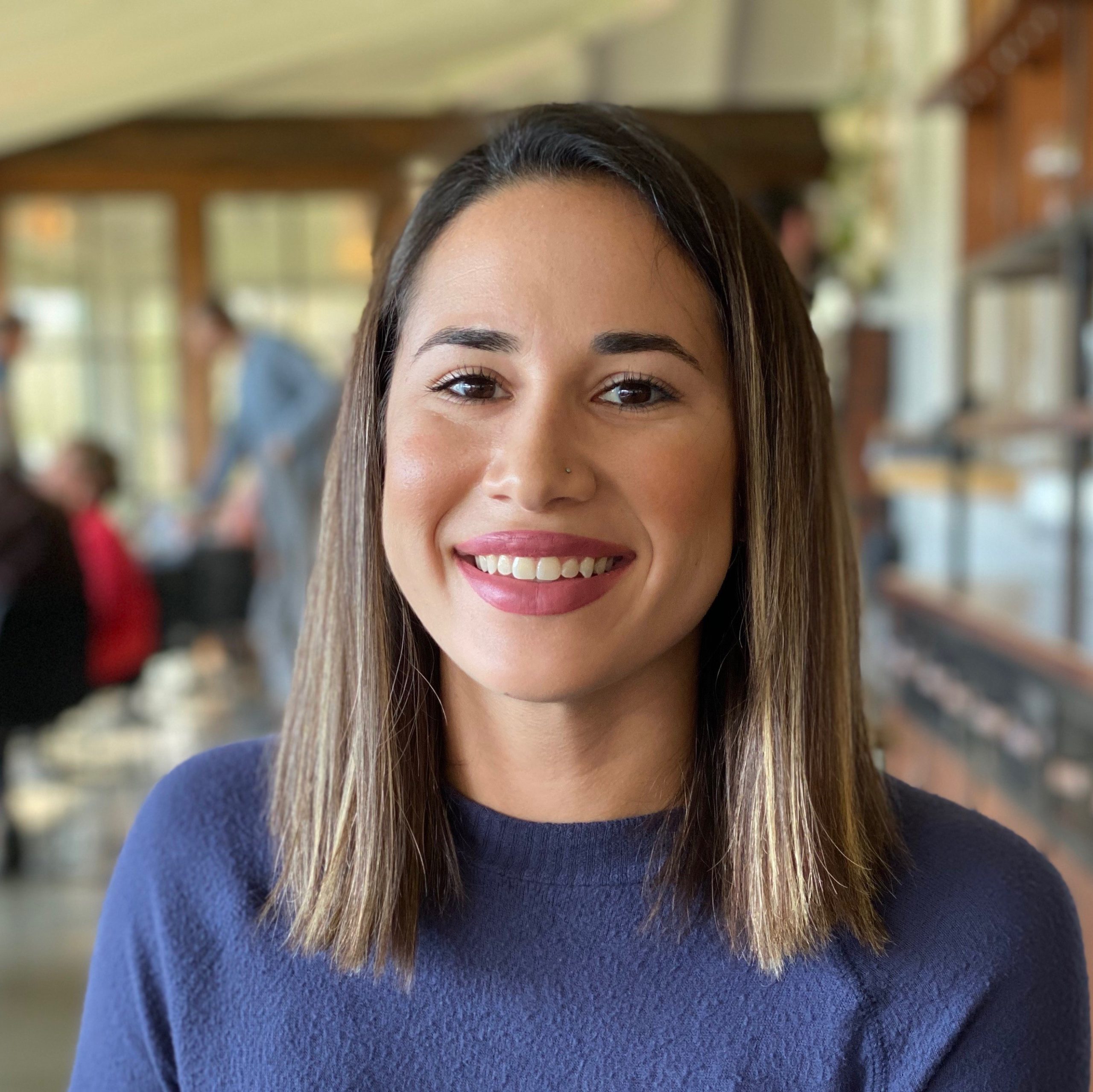
Laura Kojima, a master’s student at SREL and the Odum School of Ecology, is the recipient of a 2021 National Science Foundation Graduate Research fellowship. The fellowship will provide a stipend for up to three years and additional funds to directly support her research.“Receiving this fellowship is a huge honor, especially as an underrepresented minority in STEM. The process of grant writing and conducting my own research was a completely new process for me, and to have the mentorship and accessibility to successfully do so is something I am very grateful for,” said Kojima.
Kojima’s research assesses levels of chemical contaminants in alligator tail muscle and exposure concerns associated with the public harvest and consumption of alligators that travel on and off contaminated areas.

Scott Oswald, a doctoral student at SREL and the Warnell School of Forestry and Natural Resources, was recently named a recipient of the 2020 Office of Science Graduate Student Research fellowship from the U.S. Department of Energy.
The award is given for outstanding accomplishments in academics and research that show the potential to make important contributions to the mission of the DOE Office of Science. The fellowship will allow Oswald to conduct research at the Oak Ridge National Laboratory in 2022.
Oswald’s research will work to improve how large ecosystem models represent sugar and starch dynamics to better predict how plants respond to future climates, and to develop a framework for those dynamics using ecological and evolutionary theory.
“This fellowship is a good opportunity to receive mentorship and guidance about developing the ability to make connections between my background in mathematical biology and experimental observations,” said Oswald.
On Saturday, June 23, 1951, Odum and his students started their research in Field 3-412. Their actions led to the start of an ecology laboratory — the Laboratory of Radiation Ecology on the SRP.
FOR IMMEDIATE RELEASE
Media Advisory:
Anniversary event will feature premiere of video describing Lab’s history & impact
The laboratory that brings you Touch an Animal Day invites you to learn more about its impact on the SRS
What: SREL Celebrates 70 years of environmental stewardship
When: Wednesday, June 23 at 10 a.m.
Where: The SRS Museum, 224 Lauren Street, SW, Aiken, South Carolina
On Wednesday, June 23, the University of Georgia’s Savannah River Ecology Laboratory celebrates 70 years on the Savannah River Site and its positive impact on the surrounding community and the world.
You know about SREL’s wide-reaching public outreach program, but there is so much more.
In less than 10 minutes learn about the lab’s rich history and research captured in a stunning video.
SREL faculty will be available to answer questions about the lab’s research, and the SREL-USFS-SR Environmental Stewardship Gallery will be open following the video premiere.
###
*This event is closed to the public due to the museum’s restrictions. All attendees are required to wear a mask.
Media Contact: Vicky L. Sutton-Jackson, vsuttonj@srel.uga.edu
Office: 803-725-2752, mobile: 706-340-2794
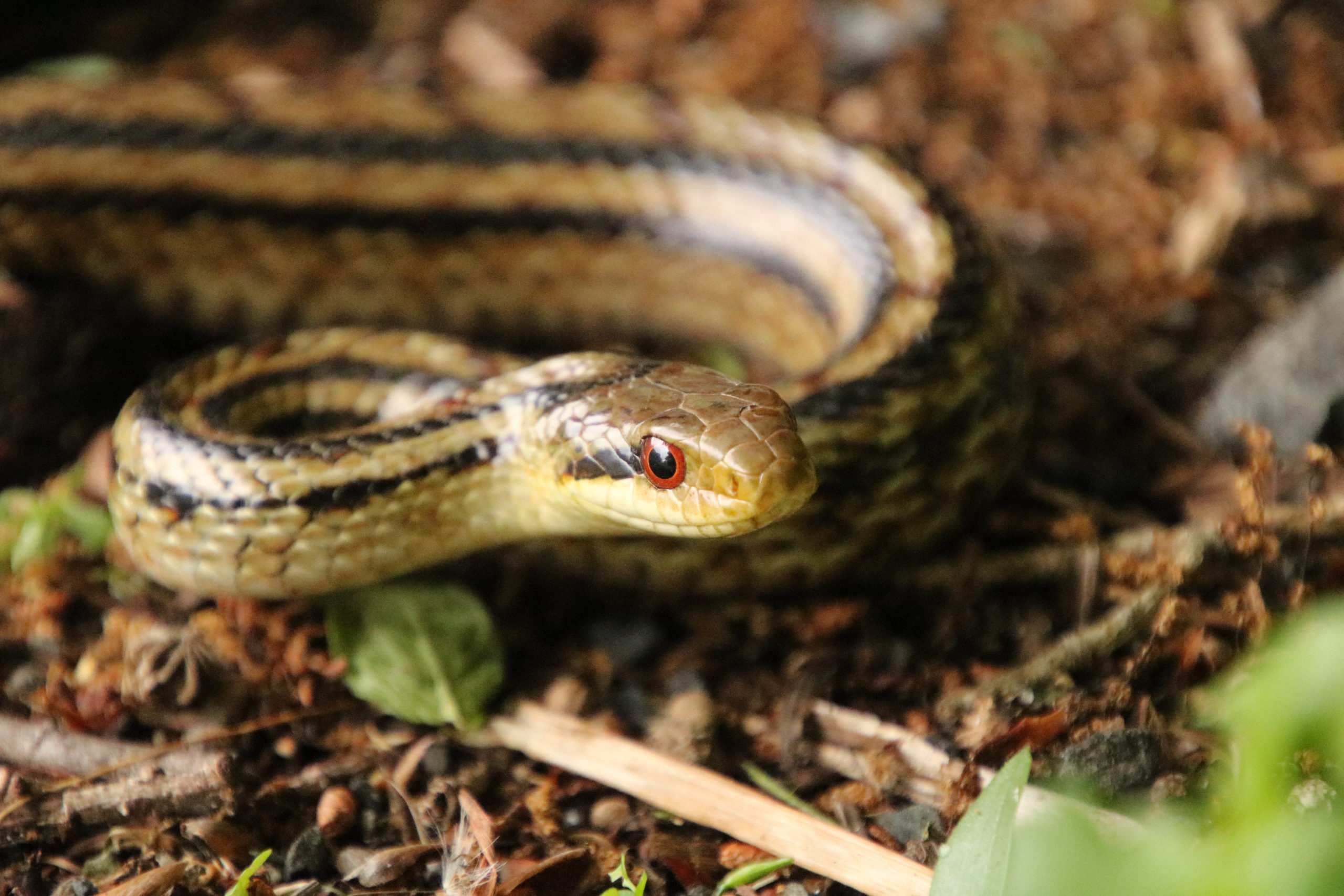
Brown watersnakes, which have a very small habitat range, are a valuable asset in assessing aquatic systems for heavy metal pollution, particularly in the Southeastern U.S.,
During both 12-day trials, freshwater mussels were placed in the wetland with the DGTs to compare the performance of each in accumulating the metals.
The results verified Tuberville’s theory that annual survival increases with age.
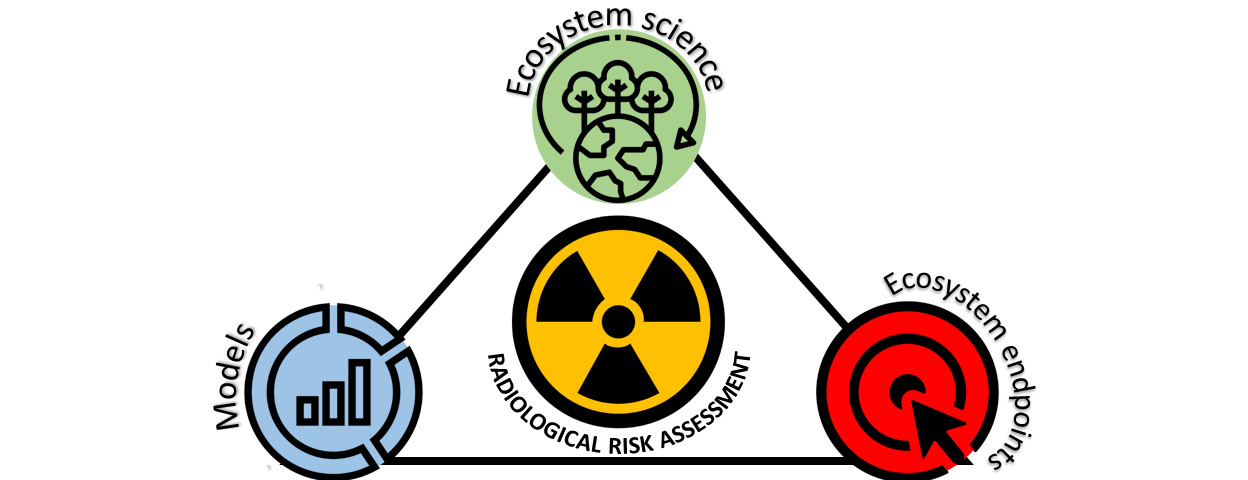
Behind the myriad of global concerns currently at the forefront for mankind, lies the reality for scientists that radiological contaminants have increased globally. Stark evidence is provided by the abandoned cities forever changed in Chernobyl and Fukushima as a result of nuclear fallout and the billions of dollars spent on the cleanup of legacy waste from nuclear production sites.
A few years ago, 60 scientists convened at the University of Georgia’s Conference Center near Aiken to evaluate the need and rationale for reconnecting radiation protection programs with ecosystem science.
They represented the Association of Ecosystem Research Centers, the International Union of Radioecology, and staff from the UGA’s Savannah River Ecology Laboratory. Experts in their field, they brought two undeniable advantages to the discussion table—diversity and objectivity.
The group was composed of individuals from the United States, Russia, and Asia. Among them were statisticians, health physicists, ecotoxicologists, geneticists, and wildlife ecologists, as well as individuals trained in the fields of ecosystem science and radioecology.
For the first time, many of these individuals were asked to assess the field of radiation protection and if ecosystem science should be connected to radiological risk assessments.
The three-day symposium proved prolific, like the research conducted by the late Dr. Eugene Odum 70 years ago tracing radionuclides through ecosystems on the very same landscape.
It became exceedingly clear to these experts that radiation programs have lost the needed connection to the protection of natural ecosystems. Yet, the link between ecosystems and human health cannot be denied.
The 60-person group came to a consensus that it is vital to reconnect radiation protection programs to ecosystem science to facilitate the protection and monitoring of the plants, animals, and microbes that provide critical ecosystem services to humans and organisms. Services like clean air and water, the production of food and fiber, regulating climate and diseases, and nutrient cycling.
Ultimately, human protection depends upon protection of our environment. To miss this connection is to put the health of all humanity in danger and ecological education on weak footing. Decision makers must acknowledge this link and protect educational programs that produce future generations of scientists with proper training in nuclear science as well as ecology.
The scientists developed solid recommendations after addressing a series of questions, including: How can ecosystem science support ecological risk assessments?
Their recommendations are published in “Integration of ecosystem science into radioecology: A consensus perspective.” The study appears in this week’s edition of the highly reputable journal, Science of the Total Environment.
The following is a summary of the recommendations:
With this clarity of linkage and need, one might ask how did the study of radioecology lose its foundation or connection to ecology?
This occurred for numerous reasons, including the implementation of essential environmental protection regulations designed to protect ecosystems and a shift to programs primarily focused on human protection from direct exposure to or consumption of radioactive elements, known as radionuclides.
The transition mirrors our timeline through nuclear history. Understandably, like a train that changes tracks, we moved from Cold War concerns that began in the 1950s to dismay at the devastating human loss caused by the accidents in both Chernobyl in 1986 and Fukushima in 2011.
But we must move forward with a bird’s eye view and with gained insight from Odum, the father of modern ecology. Again, this exigency is upon us, as the use of nuclear materials has not ceased. Nuclear materials continue to be used around the world to produce energy, weapons, and fuel. We cannot afford missed opportunities and second guesses—the cost is too high.