Generic selectors
Exact matches only
Search in title
Search in content
Post Type Selectors

Category: News

Looking Closer: How Wild Pigs Choose Farrowing Sites

By Tyjaha Steele

A group of wild pigs’ piglets with striped and spotted coats huddle together on dried grass and leaves, surrounded by bare branches and plants at one of their farrowing sites.
Photo of a wild pig farrowing nest constructed of palmettos within a pine forest. (Photo courtesy of Jim Beasley)

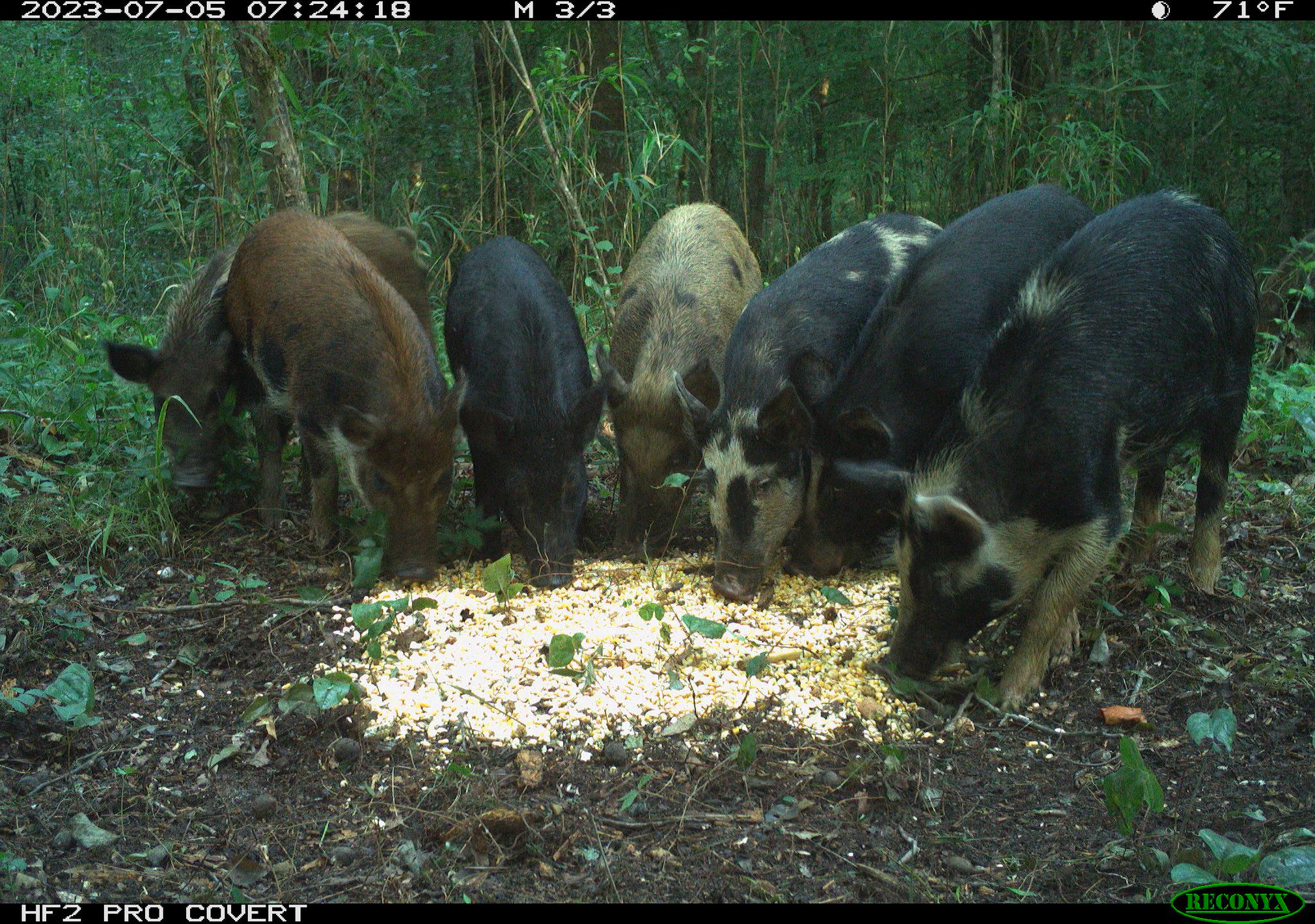
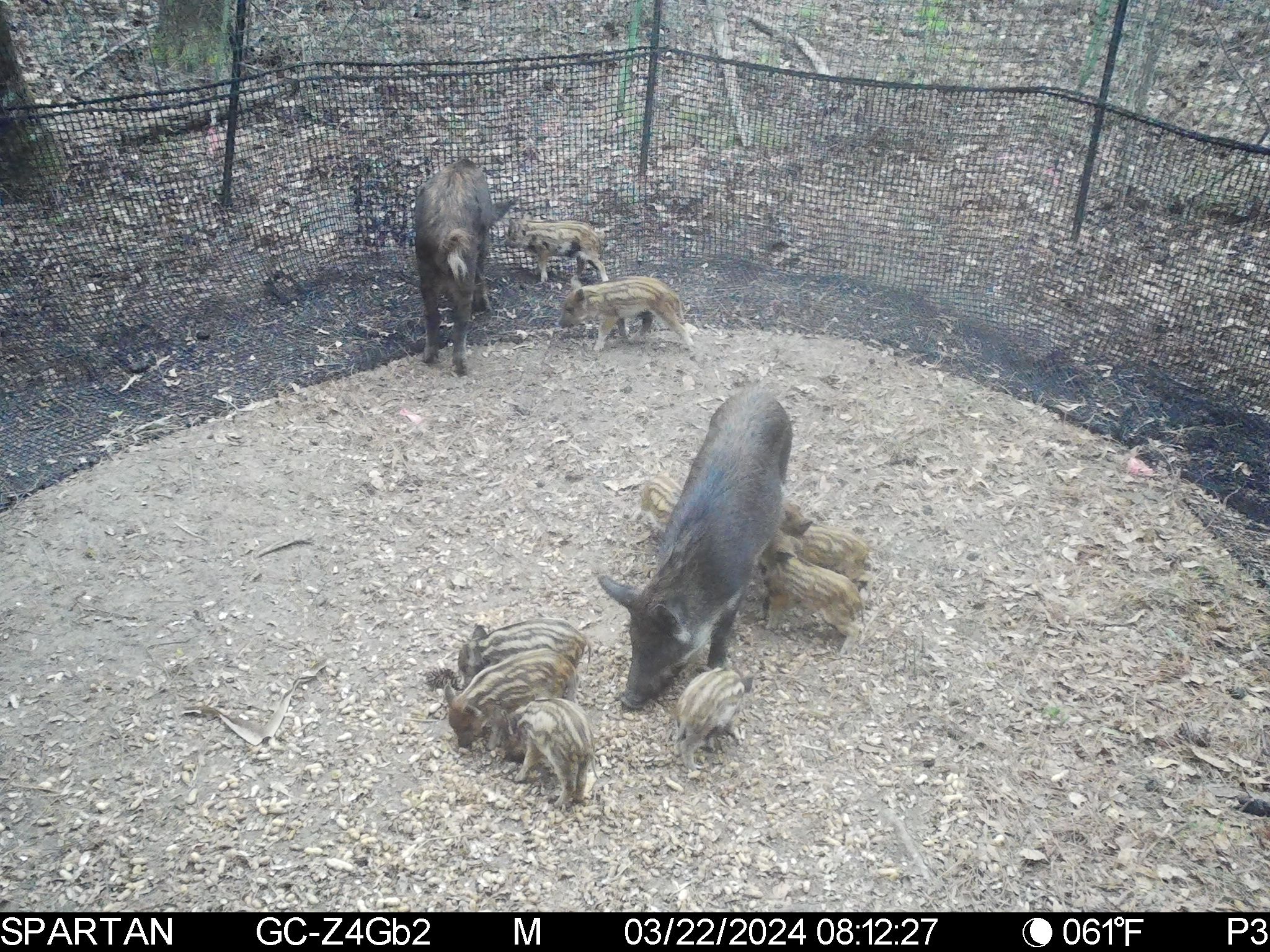
For many animals, where offspring are born can influence their survival from the very first few moments of life. Shelter, nearby resources, and protection from disturbance all play a role in reproductive success. For invasive wild pigs, understanding where females choose to give birth, known as farrowing sites, can provide insight into their reproductive behavior and help inform more effective management strategies. 

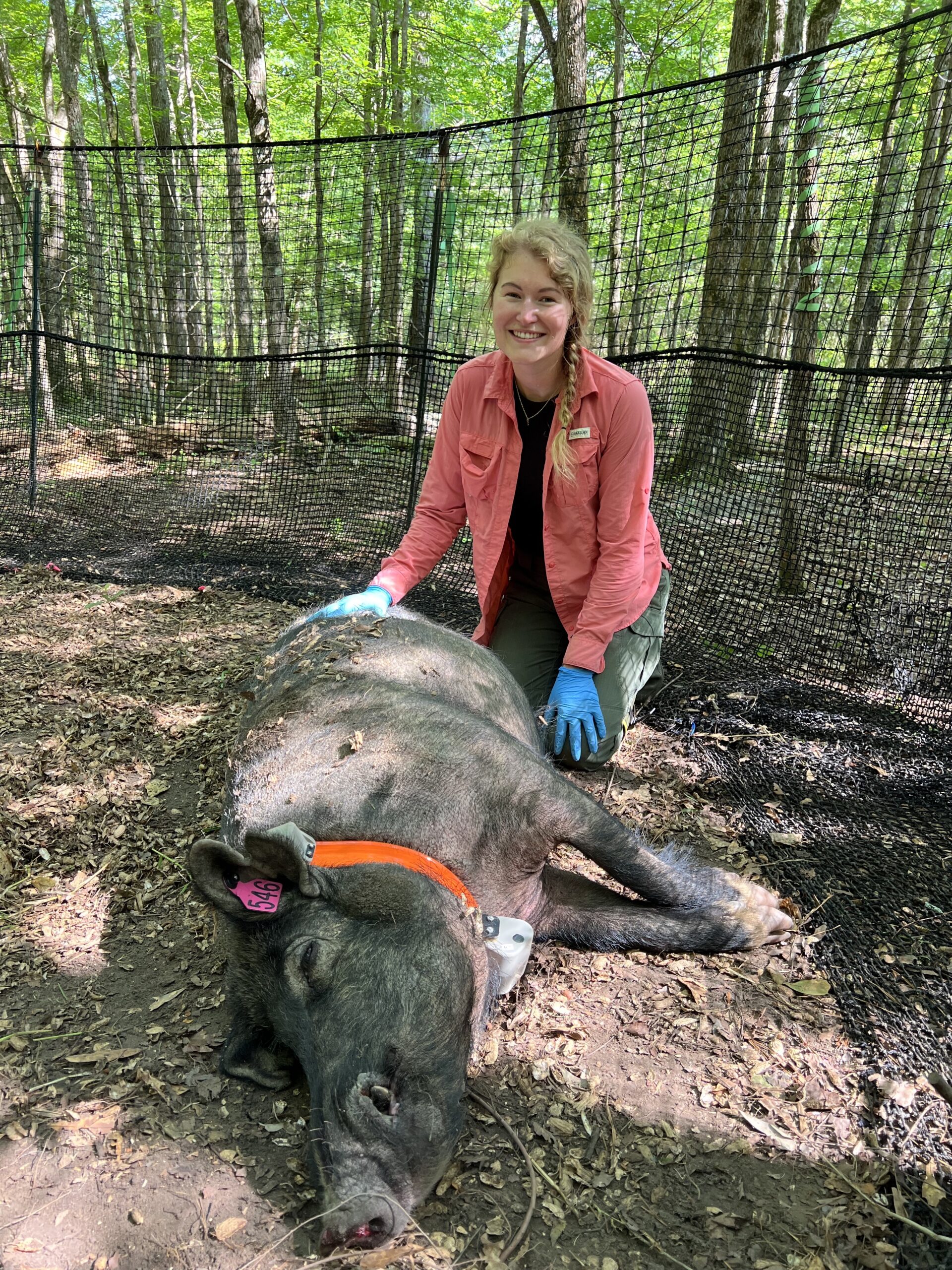
To better understand how wild pigs select these nesting locations, researchers from the University of Georgia’s Savannah River Ecology Laboratory (SREL) and the Warnell School of Forestry and Natural Resources examined farrowing site selection at the Savannah River Site (SRS) in South Carolina. The work began as part of former graduate student Sarah Chinn’s, Ph.D. research, during which she led the field component of the study, and was later expanded upon by Travis Stoakley, a current SREL graduate student, who led the analysis and writing. The study focused on 24 mature female wild pigs monitored using GPS collars and internal transmitters that signaled when birth occurred.  

“Within the southern U.S. wild pigs give birth throughout the entire year, with many sows giving birth twice in a given year,” explains Beasley, a researcher and professor from the University of Georgia’s Savannah River Ecology Laboratory (SREL) and Warnell School of Forestry and Natural Resources. “This incredible reproductive capacity is one of the contributing factors to their ability to rapidly invade new areas and one of the biggest challenges to controlling their populations.” 

A person wearing gloves and a cap examines a small animal in a forested area during daylight, possibly studying animal behavior near farrowing sites used by wild pigs.
Former doctoral student Sarah Chinn taking measurements on a piglet captured at a farrowing nest (Photo courtesy of Jim Beasley)

Wild pigs are among the most widespread and costly invasive mammals in the United States, causing billions of dollars in damage each year. Their high reproductive capacity allows populations to grow rapidly, making it difficult for land managers to slow or reverse their spread. While previous research has clarified when wild pigs reproduce, far less is known about the environmental features that influence where females choose to farrow. 

Once researchers identified farrowing sites, they conducted detailed field surveys to document both fine-scale and broad-scale environmental characteristics. At each site, the team measured vegetation structure, light levels, temperature, canopy cover, and proximity to water. These features were then compared to nearby random locations to determine whether pigs were selecting specific conditions rather than using habitat at random.  

The results suggest that female wild pigs consistently selected farrowing sites with dense and diverse understory vegetation and close access to water. All observed farrowing sites were located within a short distance of a water source, such as streams, ditches, or ephemeral pools. These areas may provide important thermal relief, hydration, and reduced travel demands during a time when females are less mobile and piglets are most vulnerable. 

“Wild pigs are poor thermoregulators because they have few functional sweat glands, so they can’t easily cool themselves through evaporation and must rely on panting or behavioral modifications like seeking shade and water to cool down,” says Beasley. “Newborn piglets also have limited mobility their first few days, so having close access to water near the nest is likely important for both sow and piglet survival especially during hot summer months.” 

A dense forest with tall trees and a large pile of green palm fronds scattered on the forest floor, possibly used as farrowing sites by wild pigs, illustrating fascinating animal behavior.
Photo of a wild pig farrowing nest constructed of palmettos within a pine forest. (Photo courtesy of Jim Beasley)

Researchers found that fine-scale understory vegetation was a stronger indicator of farrowing site selection than broader forest type. Farrowing sites consistently occurred in areas with dense ground-level cover, even when the surrounding forest classification varied. When the team examined broader land cover patterns using satellite-based data, distance to water emerged as the only strong predictor of farrowing site selection, while other landscape features such as forest type or proximity to roads were used roughly in proportion to their availability across the study area. This finding highlights an important challenge for wildlife managers: features that matter most to reproducing wild pigs often occur at a scale too fine to be detected using commonly available land cover datasets. 

“Sole reliance on remote sensing data can often lead to missing the important fine-scale cues that help us understand wildlife behaviors. Satellite data that generalize the dominant vegetation type of an area wouldn’t capture the diverse plant communities or understory vegetation composition in forested areas that are captured by boots-on-the-ground field surveys,” states Stoakley. “So while ecology research and wildlife management increasingly rely upon remote sensing technologies to inform our inferences, there is no substitute for good old-fashioned ground truthing.”  

This study suggests that wild pigs do not rely on a single habitat type when selecting farrowing sites. Instead, females appear to prioritize areas that provide nearby water and dense understory cover, regardless of the surrounding forest type. This could help explain the species’ ability to thrive in a wide range of environments, and complicates efforts to control their populations. 

By identifying the environmental features associated with farrowing sites, the research offers practical insight for wildlife managers working to detect and disrupt reproduction during key periods. Knowing where wild pigs are most likely to give birth can help guide targeted monitoring and removal efforts, particularly in areas where eradication or population reduction is a priority. 

The full studyMulti-scale predictors of farrowing site selection of wild pigs (Sus scrofa), was published in Applied Animal Behaviour Science. Authors include Travis E. Stoakley, Sarah M. Chinn, David A. Keiter, Linda S. Lee, and James C. Beasley. 

How Hydroperiod and Tree Cover Influence Mercury Cycling in Carolina Bay Wetlands

By Tyjaha Steele

In wetlands, small changes in water levels and vegetation can have a significant impact on how elements move through the environment. Carolina bays are shallow, isolated, oval-shaped wetlands found throughout the southeastern United States that naturally fill and dry over time. Mercury, a naturally occurring element introduced through both natural processes and human activities, may remain stored in wetland sediments or be transformed into methylmercury, a form that more readily accumulates in plants and animals and moves through food webs. These pathways are shaped by local conditions, which vary widely among isolated wetlands in their water levels and vegetation structure.  

To better understand how these factors influence mercury cycling, researchers from the University of Georgia’s Savannah River Ecology Laboratory (SREL) examined mercury dynamics in Carolina Bay wetlands at the Savannah River Site (SRS) in South Carolina. Led by Xiaoyu Xu, an associate research scientist at SREL, the study focused on ten Carolina Bay wetlands that differ in hydroperiod, the length of time water remains in a wetland each year. Some bays dry out seasonally (short-hydroperiod bays), while others remain flooded for extended periods (long-hydroperiod bays).  

“In Carolina bay wetlands, mercury behavior is largely dictated by how long a wetland stays underwater, a cycle known as its hydroperiod. Short-hydroperiod wetlands, which are only seasonally flooded, typically act as mercury ‘sponges’ because their dense tree canopies capture mercury from the atmosphere and drop it into the soil via falling leaves,” explains Xu. “However, long-hydroperiod wetlands, those that stay flooded for most of the year, create the perfect environment for bacteria to transform inorganic mercury into methylmercury.” 

Researchers collected surface sediment samples from each wetland during both wet and dry seasons and measured concentrations of total mercury and methylmercury. Sampling across seasons and wetland types allowed the research team to compare the amount of mercury accumulated in sediments and its rate of conversion into its more toxic form under changing environmental conditions.  

The study suggests that wetlands with shorter hydroperiods, those that dry out part of the year, accumulated higher levels of total mercury, particularly when flooded. This pattern was associated with greater tree canopy cover, which can influence how mercury enters wetland sediments through natural processes such as leaf uptake and litterfall. 

“The density of the tree canopy controls how much mercury enters the wetland in the first place and the leaves absorb mercury from the atmosphere and then deliver it directly to the ground,” says Xu. “The shade from a dense canopy protects the soil from sunlight, which would otherwise help ‘burn’ the mercury back into the atmosphere when the wetland dries out.” 

Short-hydroperiod bays primarily functioned as storage sites for total mercury, whereas long-hydroperiod bays showed a greater capacity to convert mercury into methylmercury. The highest methylmercury concentrations were observed in the central areas of long-hydroperiod bays, where prolonged flooding supports conditions favorable to mercury methylation. 

“Methylmercury is most concentrated in the deeper center areas of long-hydroperiod wetlands, which stay underwater for most of the year. These locations maintain waterlogged, oxygen-poor conditions where bacteria can convert inorganic mercury into methylmercury,” says Xu. “Identifying these hotspots allows us to better predict which species are most at risk and how methylmercury might move and magnify through the food web.” 

The study suggests that mercury methylation potential decreased with increasing total mercury concentrations and tree canopy cover, with short-hydroperiod bays functioning primarily as sinks for atmospheric mercury and long-hydroperiod bays favoring methylmercury production. 

The full study, Influence of hydroperiod and canopy cover on mercury accumulation and methylation in Carolina bay wetland sediments in the Southeastern United States, was published in Environmental Research. Authors include Chongyang Qin, David E. Scott, Stacey L. Lance, Demetrius Calloway, Cara N. Love, and Xiaoyu Xu. 


SREL Director Dr. Olin “Gene” Rhodes Named 2025 Fred C. Davison Distinguished Scientist Award Recipient

November 18, 2025

Contact: Tyjaha Steele, (803) 508 – 0892 

FOR IMMEDIATE RELEASE

Aiken, SC — The Savannah River Ecology Laboratory (SREL) is proud to announce that Dr. Olin E. “Gene” Rhodes has been selected as the recipient of the 2025 Fred C. Davison Distinguished Scientist Award. He will be formally honored and presented with the award during the 34th Annual Teller Lecture and Banquet in Aiken, South Carolina, on Nov. 21, 2025. 

The award, presented annually by Citizens for Nuclear Technology Awareness, recognizes scientists and engineers whose lifetime scientific contributions have meaningfully shaped the scientific landscape. This year’s selection of Dr. Rhodes highlights his decades-long record of scientific excellence, transformative leadership, and service to the research community. 

Since 2012, Dr. Rhodes has served as Director of SREL and, in 2021, assumed the additional directorship of the University of Georgia Research Institute. He also holds a faculty appointment at the Odum School of Ecology and serves as an Adjunct Professor at the Warnell School of Forestry and Natural Resources.  

Dr. Rhodes completed his B.S. in Biology at Furman University in 1983, earned his M.S. in Wildlife Biology from Clemson University in 1986 and received his Ph.D. in Wildlife Science from Texas Tech University in 1991. His connection to the Savannah River Site (SRS) began early in his career when he conducted master’s research at SREL in the 1980s and returned in the 1990s as a postdoctoral researcher in theoretical population genetics. 

Throughout his scientific career, Dr. Rhodes has authored or co-authored more than 250 publications covering wildlife ecology and genetics, the application of molecular tools in conservation, species reintroduction strategies, wildlife diseases and human-wildlife conflict. Throughout his career, he has also maintained a consistent role in mentoring graduate students and postdoctoral researchers. 

Under Dr. Rhodes’ leadership, SREL has expanded its research publications, modernized facilities using external funding, broadened outreach and education efforts and grown graduate, faculty, and staff populations. These accomplishments complement his professional recognition as a Fellow of the American Association for the Advancement of Science (AAAS), a Fellow of The Wildlife Society, and a member of the Sigma Xi Scientific Research Honor Society. 

This record of scientific achievement and leadership aligns closely with the legacy of Dr. Fred C. Davison, for whom the award is named. Davison’s career was defined by his commitment to encouraging math and science education and doubling graduate enrollment, principles that have guided Dr. Rhodes throughout his tenure at SREL and in his contributions to the broader scientific community. 

The Savannah River Ecology Laboratory, a research unit of the University of Georgia located near Aiken, South Carolina, studies a wide range of ecological research topics, including contaminant transport and ecotoxicology, wildlife ecology, conservation genetics, and ecosystem restoration. For further information, call SREL at 803-508-0892 or e-mail connect-srel@uga.edu.


– 30 – 

SREL Conducts the Annual Graduate Student Symposium for 2025

Graduate Student Symposium Group Shot
Students from the Graduate Student Symposium of 2025 pose together for a group photo outside. (Photo courtesy of Tyjaha Steele)
Graduate Student Symposium Winners
Anna Bushong and Skylar Nichols are pictured smiling with their award keychains. (Photo courtesy of Tyjaha Steele)

The 2025 SREL Graduate Research Symposium was hosted on September 4th at the Savannah River Ecology Laboratory, where graduate students shared innovative work across conservation, ecology, ecotoxicology, plant ecology, and wildlife biology. The day featured a keynote address by Dr. Nick Haddad on biodiversity and habitat fragmentation, followed by sessions on wildlife ecology, ecotoxicology, ecosystem disturbance, and remediation. Talks ranged from wildlife responses to headlights and avian strike risk at airports to mosquito ecology in wild pig wallows, epigenetic aging across species, PFAS release from soils, and much more.

The symposium concluded with awards recognizing outstanding student presentations, including Skylar Nichols for Best 5-Minute Talk on mosquito–flower interactions, Anna Bushong for Best 15-Minute Talk on developmental abnormalities in the imperiled gopher frog, and Sydney Burgy for Best Poster Presentation on PFAS exposure in largemouth bass.

With a packed schedule of presentations, posters, and discussions, the symposium highlighted the depth of graduate student research at SREL and celebrated their contributions to the future of ecological science.

Holding On or Letting Go: How Freshwater Species Manage Radiocesium Exposure

By Tyjaha Steele

Katie Quinlin is seen releasing mosquitofish into R-Canal enclosure to start the uptake experiment. (Photo courtesy of Katie Quinlin)

As legacy nuclear sites shift toward long-term stewardship, understanding how contaminants behave in the environment is critical for informed cleanup and monitoring decisions. Radiocesium (137Cs), a byproduct of nuclear fission, remains a concern due to its persistence and mobility through food webs. New research from the University of Georgia’s Savannah River Ecology Laboratory (SREL) and the Warnell School of Forestry and Natural Resources enhances our understanding of how freshwater aquatic species absorb and eliminate this contaminant, supporting future risk assessment and remediation strategies.  

Led by former SREL and Warnell graduate student Kathryn Quinlin, the study was conducted at R-Canal, a waterway historically affected by reactor operations at the Savannah River Site (SRS). Researchers focused on four freshwater species: bullfrog tadpoles, red swamp crayfish, eastern mosquitofish, and American white-water lilies.   

“These species were selected for their availability and because they represent distinct ecological roles such as primary producers, benthic omnivores, and pelagic carnivores,” says Quinlin. “Together, they provide a broader picture of how radiocesium moves through freshwater systems.” 

To monitor contaminant uptake, researchers enclosed each species in mesh cages within the contaminated canal. After exposure, they transferred the organisms to a clean reference pond to observe elimination rates. 

Bullfrog tadpoles absorbed radiocesium the fastest, reaching equilibrium in under nine days. Crayfish followed at just over 50 days, and mosquitofish took around 86 days to reach steady levels. Despite the slower uptake, mosquitofish and tadpoles reached similar radiocesium activity concentrations, both higher than those found in crayfish.  

“These findings challenge the idea that sediment-dwellers always accumulate more contamination,” states Xiaoyu Xu, an associate research scientist at SREL and co-author on this study. “Tadpoles likely absorb more radiocesium due to their vascularized skin and higher metabolic rates, while crayfish have hardened exoskeletons and a slower metabolism, which may limit uptake.” 

Once in the clean pond, tadpoles shed half their burden in under eight days, and water lilies cleared 137Cs at a similar rate (around 12 days). Crayfish eliminated the contaminant more slowly, with a half-life of 69 days, while mosquitofish took about 43 days.  

Xu notes that, “Slower elimination in crayfish and mosquitofish is likely tied to traits like lower metabolism and less permeable surfaces. Tadpoles, kept in warm indoor tanks, were more active, whereas crayfish were outdoors in cooler weather and unable to molt, a pathway hypothesized to be important for shedding contaminants.” 

Differences in radiocesium storage pools also affect how long species retain radiocesium and influence its persistence in aquatic systems. Tadpoles and water lilies likely store more radiocesium in short-term reservoirs, resulting in rapid cycling, which contrasts with the longer-term reservoirs where crayfish and mosquitofish are thought to be storing this contaminant. 

Radiocesium’s persistence, even at very low concentrations, can quietly influence aquatic communities over time. By capturing these subtle effects, the research contributes to a deeper understanding of radioactive contaminants and their long-term consequences for ecosystem function. 

“This study offers a direct comparison of radiocesium uptake and elimination for a variety of species under natural conditions. By documenting how species absorb and eliminate contaminants over time, the findings inform selection of bioindicator species, improve environmental modeling, and help guide monitoring and remediation at contaminated freshwater sites,” explains Beasley, a professor at SREL and co-author on this study. “This research also adds to the growing body of evidence that radiocesium cycling within aquatic food webs is complex and influenced by a myriad of biotic and abiotic attributes of ecological systems.” 

The full study, Uptake and elimination of 137Cs in aquatic biota inhabiting a contaminated effluent canal, was published in the Journal of Environmental Radioactivity. Authors include Kathryn A. Quinlin, Danielle Hill, Xiaoyu Xu, and James C. Beasley. 

Headlights and Hesitation: How Vehicle Lighting Affects Deer Behavior in Imminent Collision Scenarios

By Tyjaha Steele

Carson is pictured with a fawn at UGA's captive deer facility in Athens, Georgia. (Photo courtesy of Carson Pakula)
Carson is pictured with a fawn at UGA’s captive deer facility in Athens, Georgia. (Photo courtesy of Carson Pakula)

There’s a reason the phrase “deer caught in headlights” is so well-known. It captures a split-second moment with very real consequences, often at the expense of the driver and the animal themselves. With thousands of injuries and billions of dollars in damages reported each year, researchers are now asking whether changes to vehicle headlights could significantly alter how deer respond, potentially reducing the risk of collisions.

 Carson Pakula, a doctoral graduate research assistant and lead author of the study, conducted 174 trials at the Whitehall Deer Research Facility in Athens, Georgia, through his work with the University of Georgia’s Savannah River Ecology Laboratory and Warnell School of Forestry and Natural Resources. The team worked with 23 captive, wild-type female deer, testing eight lighting combinations using an oncoming electric golf cart outfitted with halogen or LED headlights (set to high or low beam), with or without a rear-facing lightbar. 

We chose these eight treatments to explore how vehicle lighting might affect deer behavior by testing different headlight types, since halogen and LED give off different colors of light,” explains Pakula. “We also compared low and high beams to see if brightness changes how deer react, and added a rear-facing lightbar to find out if lighting up the front of the vehicle makes it easier for deer to notice.  

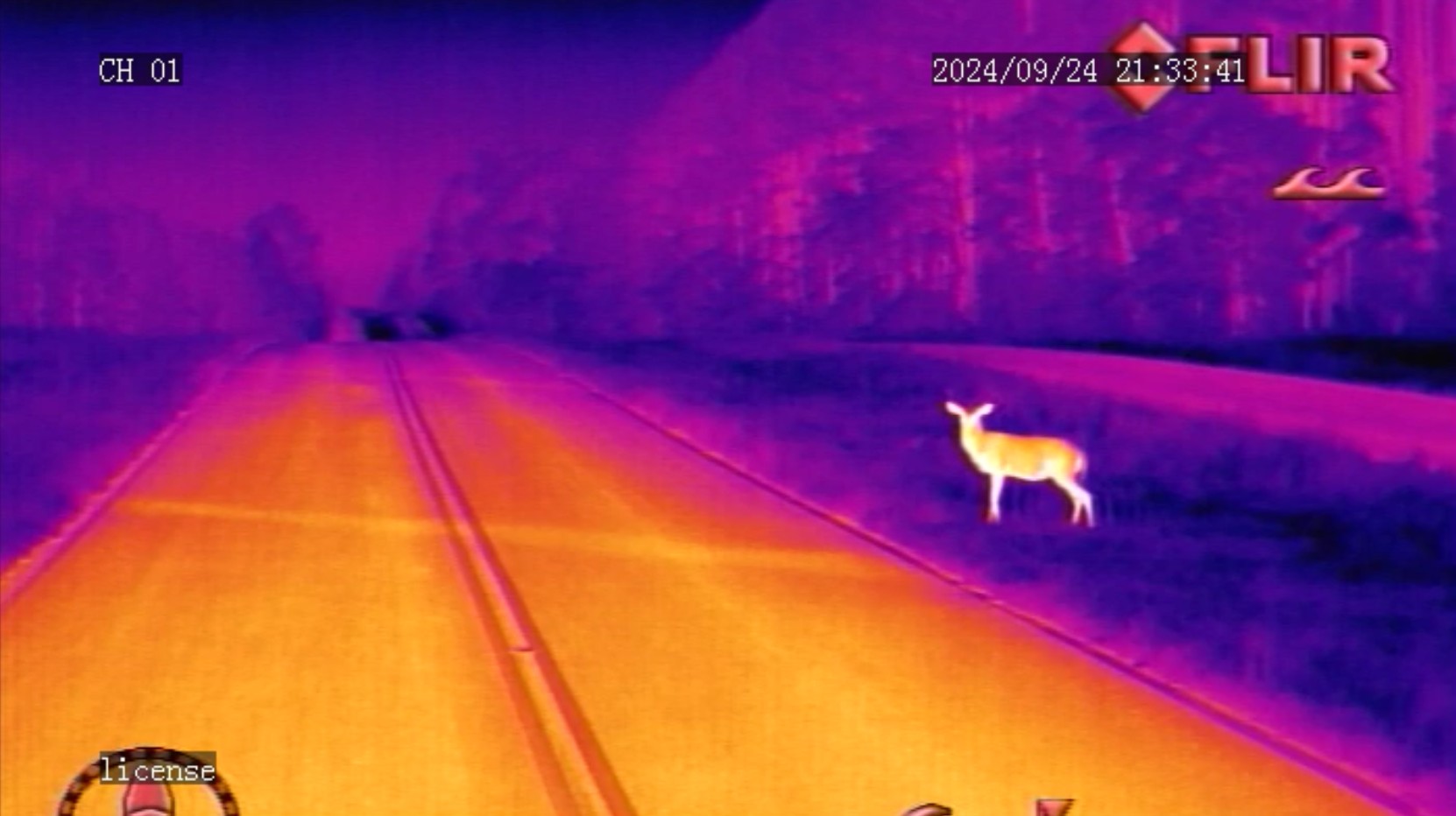
The study focused on short-range encounters, which ranged just 95 meters between the deer and the vehicle, designed to simulate the final seconds before a potential collision. Using infrared cameras, researchers tracked alert behavior, when a deer stopped or reoriented in response to the vehicle, and flight behavior, when it made an apparent attempt to escape. 

Carson is seen setting up an infrared camera on a field vehicle. (Photo courtesy of Carson Pakula)

Across all trials, deer alerted in 73% of cases and fled in just 52%. Halogen headlights on high beam with the lightbar off produced the most alerts, yet no lighting treatment reliably triggered flight behaviors. 

“Many deer showed no flight behavior and stayed in the vehicle’s path, regardless of lighting treatment. It’s a ‘freezing in the headlights’ response familiar to many drivers,” says DeVault. “Deer reactions seemed driven more by individual personality than lighting. Their dark-adapted vision may not align well with modern headlights.”

Carson smiles alongside the golf cart used to test how variations in vehicle lighting impacted deer responses to an approaching vehicle. (Photo courtesy of Carson Pakula)

This is the first study to test how vehicle lighting affects the behavior of a moving deer during an imminent head-on collision. Previous research has focused on roadside deer or longer-range interactions. These findings establish a baseline for future studies that may explore lighting effects in free-ranging deer or longer-distance approaches, especially as 86% of new vehicles are built with LED systems by default. 

Although LED headlights emit blue wavelengths that correspond to what deer’s eyes are most sensitive to, halogen high beams still prompted the strongest alert responses. It’s unclear whether LED lights overwhelm the deer’s vision, mask movement cues, or simply fail to appear threatening under certain conditions. 

While lighting may influence how deer perceive an oncoming vehicle, it doesn’t appear to change the outcome of a close encounter. Broader mitigation efforts, such as fencing, road design, or population control, remain more consistent and scalable solutions for reducing deer-vehicle collisions. 

The full study, Caught in headlights: Captive white-tailed deer responses to variations in vehicle lighting during imminent collision scenarios, was published in Applied Animal Behaviour Science and was authored by Carson J. Pakula, Gino J. D’Angelo, Adrianna Mowrer, Olin E. Rhodes Jr., and Travis L. DeVault. 

Augusta University Students Wade Into the Wetlands

By Tyjaha Steele

Amanda Hurst with Critter
Amanda Hurst smiles as she proudly displays a tadpole and newt that students from the Wetland Ecology course caught. (Photo courtesy of Tyjaha Steele)

Amanda Hurst, an Augusta University alum and acting Community Engagement Specialist at the Savannah River Ecology Laboratory (SREL), recently returned to her alma mater as a guest speaker in Dr. Robert Cromer’s Wetlands class. During her visit, Hurst led a discussion on the ecological importance of wetlands, emphasizing their role in supporting biodiversity, regulating water flow, and serving as critical habitats for different species. She also touched on the real-world challenges these ecosystems face, from habitat loss to climate stressors, offering students a broader perspective on the relevance of wetland conservation.

A student from Augusta University closely examines a plant leaf with a magnifying glass in an outdoor wooded wetlands area during daylight.
Austin Plagens is intently observing a plant using a botany hand lens. (Photo courtesy Tyjaha Steele)

“I really enjoyed having the opportunity to return to Augusta University and connect with students who are now sitting in the same spot that I once was,” said Hurst. “The energy and curiosity they bring as they immerse themselves into the fieldwork shows they’re building a genuine understanding of why these habitats matter.”

The class later joined Hurst and a team of SREL outreach professionals for a field experience at Dry Bay, one of the lab’s wetland research sites. Upon arrival, students were given a safety briefing and a short history of the area by Dr. Kurt Buhlmann, who helped set the stage for the day’s hands-on activities. The class was then divided into smaller groups, each led by SREL staff with specialized expertise: Linda Lee guided the plant and soil group, Katrina Ford introduced students to regional bird species, and Sean Poppy covered amphibians and fish. Hurst oversaw the reptile-focused group and assisted wherever needed. The students actively observed wildlife and collected data about the environment around them.

“When students are able to move from the classroom and into the environment, where they can step into the shoes of an ecologist, taking samples, recording data, seeing plants and animals in their natural environment, they are able to go beyond the textbook,” states Ford, Assistant Director for Outreach and Education at SREL. “From former students, I often hear how experiences like these impacted their final career choice.” 

A woman in outdoor gear stands in a wooded wetlands area, smiling and holding a digital meter displaying a reading of 13.02, likely during fieldwork with Augusta University students.
Peyton Lee Allen is seen holding a YSI handheld water quality meter. (Photo courtesy of Tyjaha Steele)

Throughout the experience, students were able to directly apply classroom concepts in a research-rich environment. Turtles collected during the session were safely returned to SREL’s herpetology lab for ongoing research. For many, this trip not only reinforced their understanding of wetland systems, but also introduced them to the kinds of careers and fieldwork opportunities available in environmental science. 

Thanks to the coordination of Amanda Hurst, Dr. Cromer, and the SREL outreach team, the visit offered a blend of instruction, exploration, and collaboration. Opportunities like this strengthen the connection between students and the natural world, while showcasing the valuable role of field-based education in preparing the next generation of conservationists.


2025 Palmetto Alligator Research and Management Symposium Held at SREL Conference Center

A large group of people posing for a group photo under a wooden pavilion with a cutout of a fish in the center during the Palmetto Alligator Research and Management Symposium. Trees are visible in the background.
Participants from the 2025 Palmetto Alligator Research and Management Symposium smile with a cut-out of Stumpy at the SREL Conference Center. (Photo courtesy of Ben Parrott)

The 2025 Palmetto Alligator Research and Management Symposium (PARMS) was hosted at the Savannah River Ecology Laboratory’s Conference Center, where researchers, wildlife managers, and students gathered to share current work in alligator and crocodilian research. The two-day event featured presentations on movement ecology, environmental stress, microplastic ingestion, and more, culminating in a keynote by Dr. Steven Platt, who reflected on over four decades of crocodilian conservation around the world.

The symposium was coordinated in part by SREL’s own Dr. Ben Parrott, whose efforts helped ensure a smooth and engaging experience for all attendees. With a packed schedule of talks, poster sessions, and discussions, PARMS 2025 created an inviting space for collaboration, learning, and future research planning in the field of herpetology.

Wild Pig Management and the Science Behind Trapping

By Tyjaha Steele

A group of wild pigs, including adults and spotted piglets, stands on leaf-covered ground in a forested area—a scene often observed in Wild Pig Management and Science studies.
A sounder (group) of wild pigs foraging next to a wetland. (Photo courtesy of Jim Beasley)

Across the United States, there is a battle unfolding between wild pigs and farmers, landowners, and wildlife managers. These fast-breeding animals are an invasive species in North America whose adaptability to different environments has allowed them to thrive in novel areas, while causing extensive ecological and economic damage. Wild pigs in particular harm natural habitats, spread disease, and destroy crops and property as their populations and ranges continue to expand. Scientists are working to evaluate and improve methods for managing wild pig populations to slow their expansion and reduce the costly damage that they cause.  

 Leading this effort is Jim Beasley, a researcher and professor from the University of Georgia’s Savannah River Ecology Laboratory (SREL) and Warnell School of Forestry and Natural Resources. In their most recent study, Jim and members of his lab analyzed data from 867 capture events carried out by 31 professional trappers across four southeastern U.S. states. This research evaluated the effectiveness of the three most common trap designs used today to capture wild pigs, corral, drop, and passive net traps, under varying environmental conditions.  

An adult wild boar and two piglets forage on the forest floor, surrounded by trees and fallen leaves—a scene often studied in wild pig management science.
Wild pig sow and piglets are rooting in the leaf litter for food. (Photo courtesy of Jim Beasley)

“The USDA estimates that wild pigs cause $2.5 billion in annual damage and control costs to U.S. agriculture while also significantly impacting native habitats and wildlife across their invasive range,” explains Beasley. “While there are many tools for managing wild pigs, trapping is one of the most widespread methods of wild pig control, especially by agencies and wildlife management professionals.” 

 This research examined how each trap type performed across different landscapes and seasons by reviewing factors like capture efficiency, bait usage, and time to first capture. Previous studies on wild pig trapping have often been limited in scope, location, and scale, so this study was designed to provide a comprehensive evaluation of trapping strategies by incorporating data from multiple ecoregions and a robust multi-year dataset. 

“We believed these to be the most important distinguishing factors when choosing a trap type,” states Chuck Taylor, a former SREL graduate student under Beasley and first author on this study. “By including multiple factors that covered the vast majority of concerns when buying or building a wild pig trap, and monitoring those factors over multiple years, and in multiple states, we were able to thoroughly evaluate each trap type and their strengths and weaknesses.” 

The team found that all of the trap types evaluated in this study were highly effective in capturing entire social groups of wild pigs, achieving at least an 88% success rate in removing all targeted individuals in each capture event. Drop traps had the shortest time to a capture event and performed the best during challenging masting seasons, when natural food resources are abundant, providing wild pigs with natural food sources that make bait less effective.  Corral traps and net traps also performed very well, capturing nearly all targeted wild pigs in 2-3 weeks, on average.  Net traps showed the most consistent results across seasons but required slightly more bait due to their passive nature. However, the few differences found between trap types were deemed to be insignificant, and each trap type was highly effective at capturing wild pigs. 

Three people wearing gloves kneel on the ground in a wooded area, using wild pig management techniques while examining or treating an animal lying on the forest floor.
Researchers (from left to right) Sarah Chinn, Jacob Ashe, and Jim Beasley, are seen attaching a GPS tracking collar to a wild pig to better understand the movement behavior of this invasive species. (Photo courtesy of Jim Beasley)

“One important finding was that all evaluated trap types performed similarly and were highly effective in catching and removing entire social groups of pigs. This is important for developing a successful wild pig management program under various conditions because each of these trap types vary in cost, maneuverability, and effort to monitor and maintain,” says Beasley. “This suggests that managers have numerous options for optimizing trapping programs without sacrificing performance depending on local conditions, resources, and wild pig populations within their management areas.” 

Details of the study can be found in the Wildlife Society Bulletin, under the title “Evaluation of common trap types for capturing wild pigs.” The study was authored by Charles R. Taylor, Lauren Buxton, and James C. Beasley.  

Following the Flow: How water movement impacts ecosystems and contaminants in a riparian wetland

By Tyjaha Steele and Katrina Ford

A person wearing waders and a wide-brimmed hat examines something in their hands while standing in a shallow, grassy stream, perhaps assessing signs related to wild pig management.
A student researcher can be seen conducting wetland research at SRS. (Photo courtesy of Daniel Kaplan)

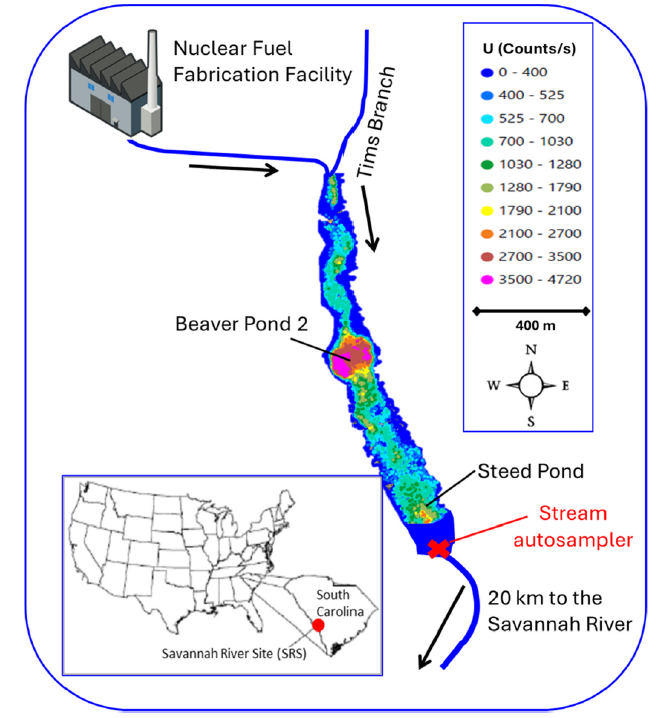
Researchers at the University of Georgia’s Savannah River Ecology Laboratory studied water movement in wetlands and its role in filtering contaminants in the Tims Branch watershed, a riparian wetland on the Savannah River Site in Aiken, South Carolina.

“We chose this area specifically to understand how water moves. This allows us to predict how wetlands hold onto contaminants,” explains Daniel Kaplan, a senior research scientist at SREL, associate director of the University of Georgia’s Research Institute, and lead investigator of this study.

The research team collected monthly water samples from rainfall, streams, and groundwater at different sites within the watershed. By analyzing stable isotopes of hydrogen (δ²H) and oxygen (δ¹⁸O), they traced how different water sources mixed over time. Additional measurements were collected and helped determine how groundwater chemistry influenced stream water quality.

The study found that groundwater renewed at 2–4% per day, taking about two to four weeks to mix fully. Groundwater contributed up to 4% of stream water in some areas, while stream water comprised nearly 70% of groundwater in others.

These exchanges shifted seasonally, with groundwater flowing into streams more in winter and stream water seeping into the soil in summer, influencing water quality and contaminate movement.

The movement of water within the environment is a key factor in assessing the distribution of various heavy metals and contaminants, including uranium, throughout a riparian wetland. Effective environmental management is crucial to ensuring the health and safety of the Central Savannah River Area.

“For future work, we hope to utilize this hydrological model with other studies to improve contaminant management and reduce risks to both human and environmental health across the CSRA and DOE Complex,” states Kaplan.

The original study titled, “Hydrological controls of a riparian wetland based on stable isotope data and model simulations,” was published in the journal Isotopes in Environmental and Health Studies (IEHS) and was written by Peter H. Santschi, Chen Xu, Peng Lin, Chris M. Yeager, Pieter Hazenberg, and Daniel I. Kaplan. This work was completed in collaboration with researchers from Texas A&M University, Florida International University, and the Argonne National Laboratory, and the University of Georgia’s Savannah River Ecology Laboratory.